

There are many advantages to being able to use your caravan without electric hook ups. For example if you have an older caravan, it may not have electricity, or if you will be staying on a campsite where there isn’t an electrical hook up available, then you should know how to heat up your caravan to a comfortable temperature during winter camping trips. This freedom will also allow you to explore more remote and rural areas, along with the environmental benefits when using cleaner energy sources. This can add another layer of enjoyment to your camping trips.
Making small changes and putting is a bit of effort in accessing the correct equipment and working out your energy consumption can result in a much more relaxing holiday for the whole family. That is why I will be explaining a few different way in which you can heat up your caravan without using any electricity.
In the blog post below, I will be explaining the following methods in more detail:
Insulate your caravan
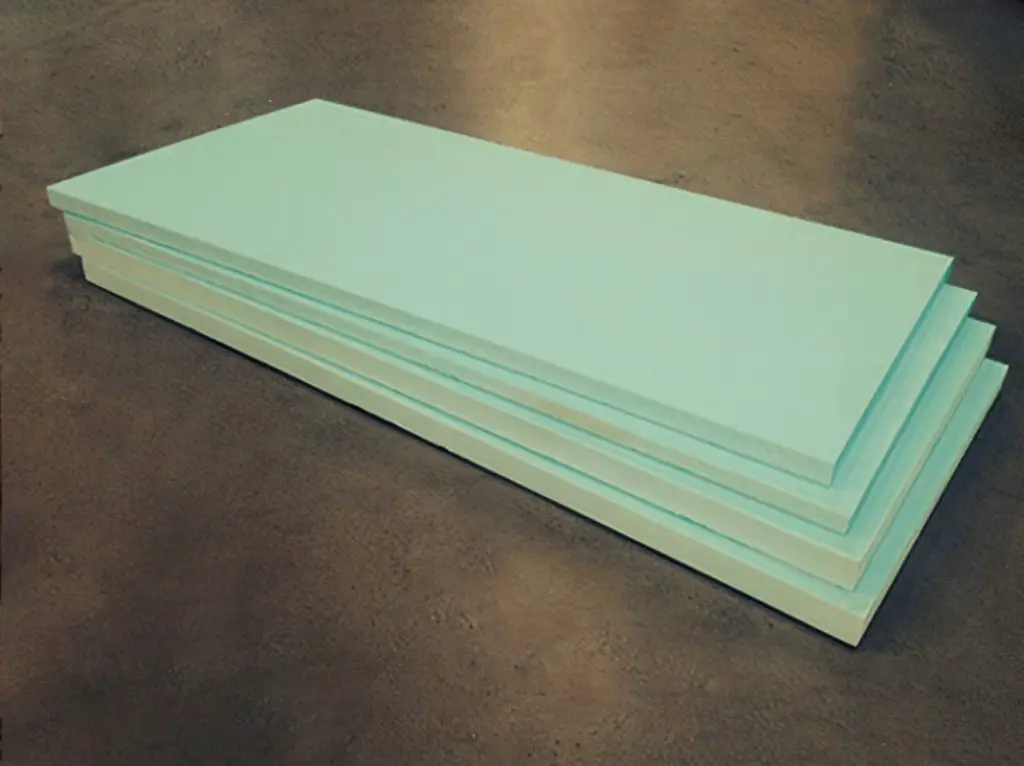
Insulating your caravan when you are camping in extremely cold temperature is very important, as the cold can cause damage to your vehicle, but it can also be very uncomfortable trying to stay in a caravan during cold weather without any form of heat. There are multiple ways that cold weather can damage your caravan. Plumbing pipes can burst when exposed to extreme cold and you also run the risk of damaging your batteries. There are different ways you can insulate your caravan, such as using bubble insulation, solar blankets, or foam insulation boards (which can be seen in the image above).
When insulating your caravan, remember to also wrap up your plumbing pipes in heat tape to prevent any damage that could be caused by cold temperature. this will also help you avoid your water line from freezing. Another way to insulate your caravan is to line your windows with heavy thermal curtains to help to trap heat inside.
Use heaters
When talking about heaters for caravan, people usually mean electric heaters. However if you don’t have access to electricity, then there are many types of heating systems you can run without electricity. There are two different types of heaters I will talk about in this blog post; diesel heaters and gas heaters.
Diesel heaters
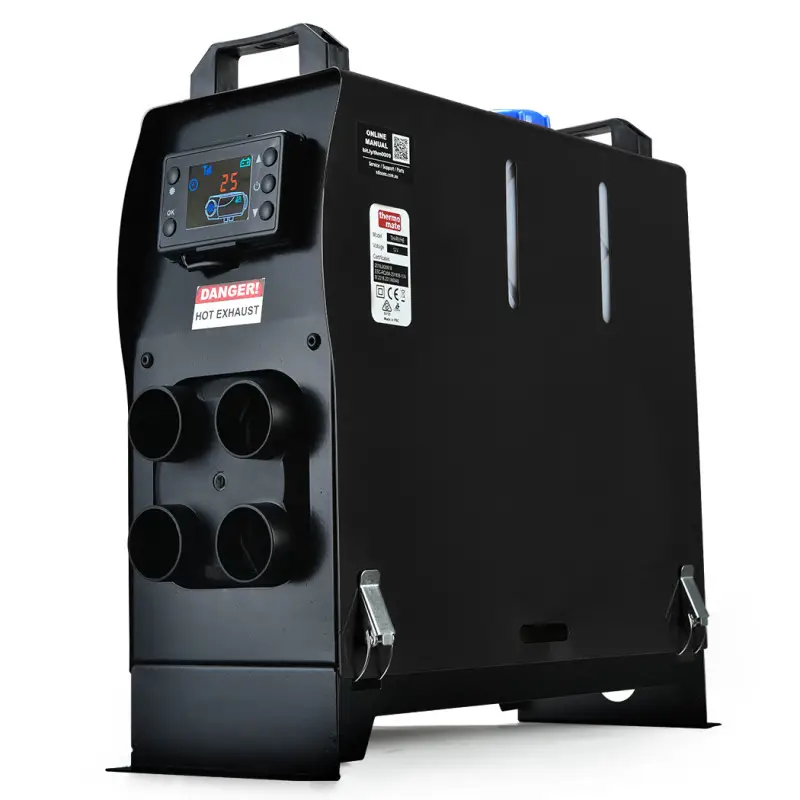
If you love camping in rural areas, then this is a great heating option to consider. The majority of diesel fuelled heaters work by mounting the fuel tank, exhaust, and air intake externally to the caravan. The great thing about diesel heaters is that you can decide to have up to three air outlets inside the van for heating.
You can also connect these types of heaters into the fuel line of your motorhome as long as it’s diesel powered. While this might seem to be a little on the expensive side to run at first, if you have a larger sized motorhome, then this method can actually save you some money in the long run.
A great advantage of this type of heater is that you can run it on the go. This will keep you warm even during your journey. Its the perfect option for anyone planning on camping in really cold weather.
Gas heaters
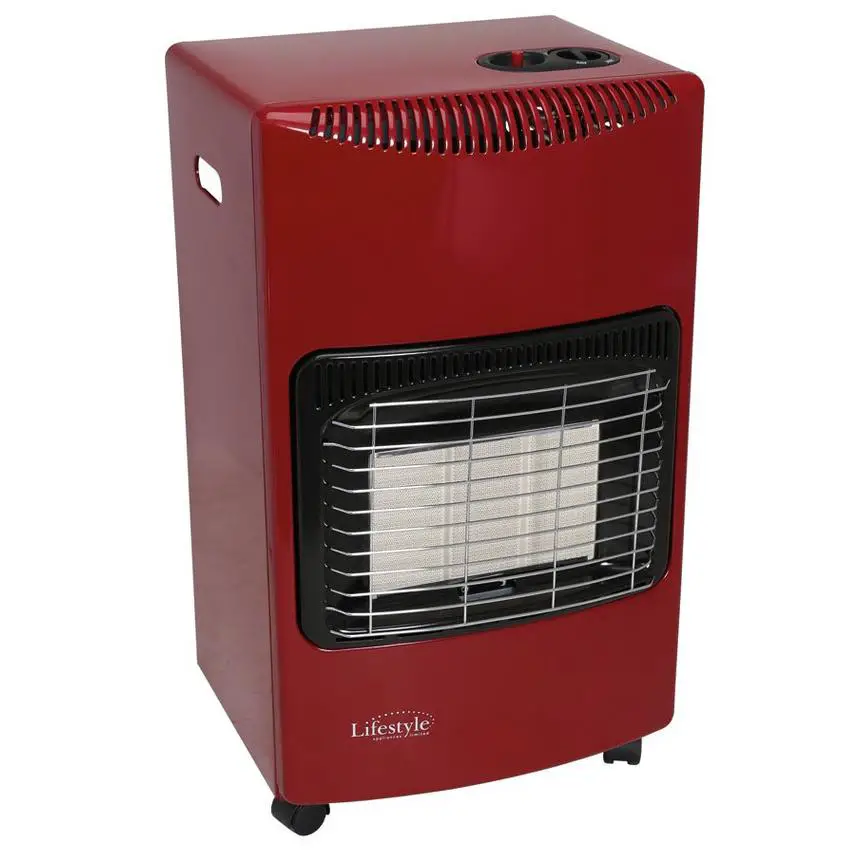
In the past, gas heaters have been known for consuming a lot of fuel and therefore have been quite expensive. However, newer models of gas heaters have been improved to have a higher level of efficiency and low power consumption, making it a great electricity free way of heating up your caravan.
It works in a very similar way to a diesel-powered heater by connecting straight to your gas bottle. However, one great thing about gas heaters when compared to he diesel heaters is that they run independently from the engine. This makes them a cheap source of heat, and they can heat up your caravan within 30 minutes.
On the other hand, a downside to gas heaters is the impact of the gas emissions. As stated above, newer models have a higher level of efficiency and low power consumption. This also means that the newer models have been proven to have lower exhaust emissions.
I have been using the Quest Gas Cabinet Heater which I have been very impressed with. It has safety features including the ODS (oxygen depletion system) safety valve and flame failure device, which makes sure that the gas will cut off if oxygen levels are too low or if the cabinet should fall over.
The Quest Gas Cabinet Heater is available on Go Outdoors. You can find out more information about it and purchase it here.
Use Solar Panels
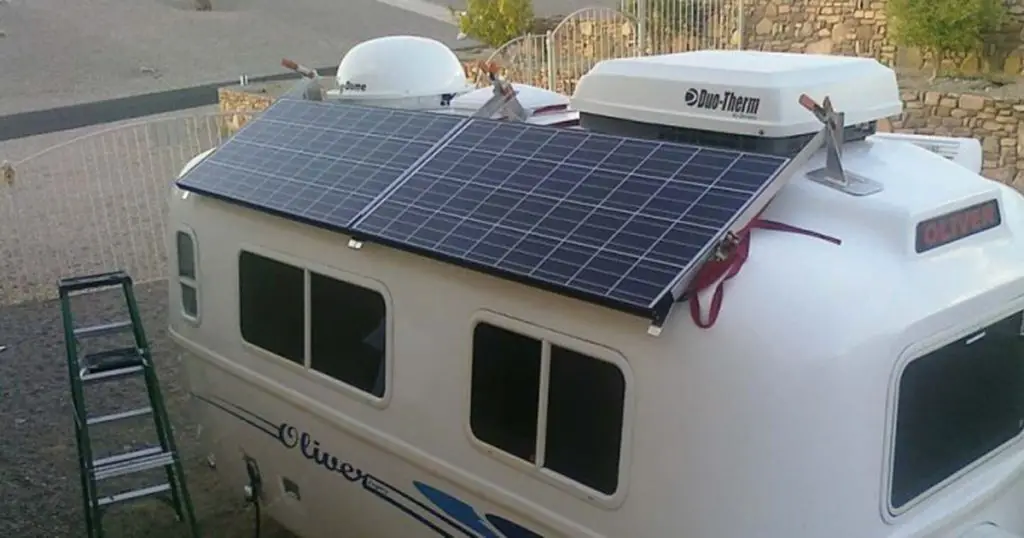
This is a great option for anyone who is trying to be environmentally conscious. Solar panels work by generating protons while the sun is out. These protons are then converted into electricity to be used in your caravan. Solar panels consist of a heat panel that absorbs enough heat from the sun, a fan that sucks in air, and also a photovoltaic panel that produces electricity.
When air is taken into the panel, it heats up and then pushed into your van. Although solar panels do work during winter, they are not as effective as they are during summer, therefore its important to consider this before installing your own. One great benefits of a solar panel, and the reason why they have become so popular for caravan users recently, is that you have the ability to pull up and stop anywhere without having to worry about the space or campsite having electrical outlets, so you are able to visit exciting and off the grid places.
Invest in a generator
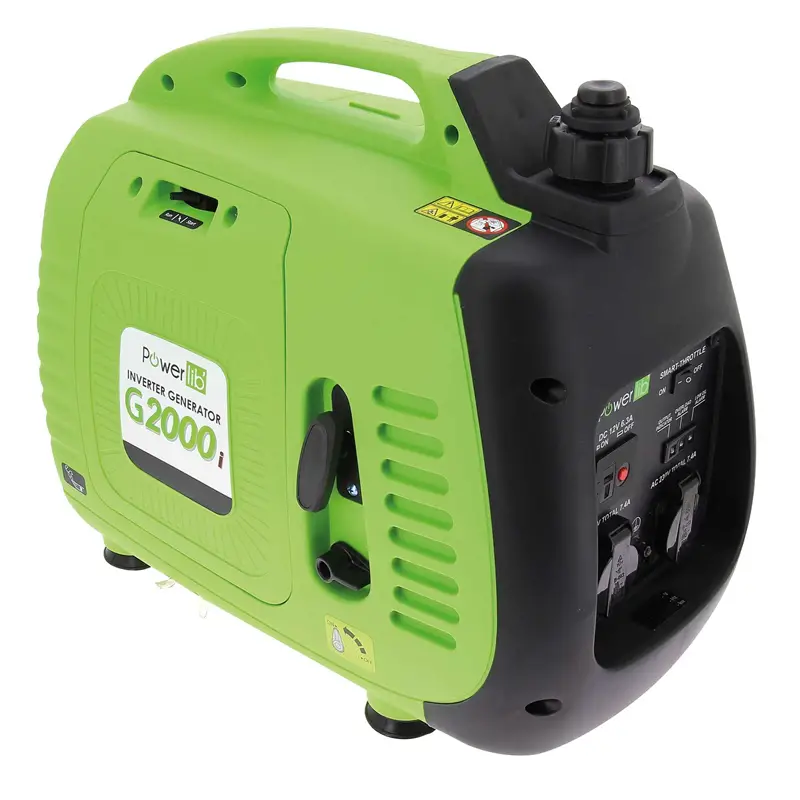
Another option that many caravan users tend to go for is to use a generator. However, there are things you must take into consideration before investing in one. There are some campsites in the UK and Europe that have placed restrictions on the use of generators due to the noise they create. You also need to make sure that the generator you choose is suitable for your needs, this requires you to work out the total energy consumption of your appliances.
When using a generator it’s a good idea to let it warm up before connecting it. You should also try to avoid using high energy appliances such as microwaves as these can cause the output to spike which can blow low voltage equipment. However it should be completely fine to use a low voltage electric heater with most generators.
The Powerlib’ G2000i 2000W InGreener Portable Generator is a great option. It is a 4 speed petrol motor with manual starter, which can run for four hours. It also has a handy low oil indicator light, AC/DC circuit breaker, and includes a 12V battery charge cable.
The Powerlib’ G2000i 2000W InGreener Portable Generator is available on Camping World. You can find out more information about it and purchase it here.
Conclusion
Whatever the reason for why you can’t use electricity in your caravan, there are plenty of ways to heat up your caravan. I have listed the main methods to do this in this blog post. Hopefully you can try some of these methods in your caravan and see which ones work the best for you.